The car makes a noise it did not make yesterday. The mechanic wipes his hands on a rag and says the number: four hundred dollars. Not a disaster. Not nothing, either.
For some people that is a shrug and a card swipe. For others it starts a chain of small decisions about what to put off, who to call and what to sell. Every year since 2013 the Federal Reserve has asked Americans which kind of person they would be.
The question the Fed keeps asking
The question sits in the Fed’s annual Survey of Household Economics and Decisionmaking, known as SHED. It asks adults how they would pay for a hypothetical $400 emergency expense. Someone counts as covered if they would pay “with cash, savings, or a credit card paid off at the next statement” (Federal Reserve, 2026). The Fed shortens that to “cash or its equivalent.”
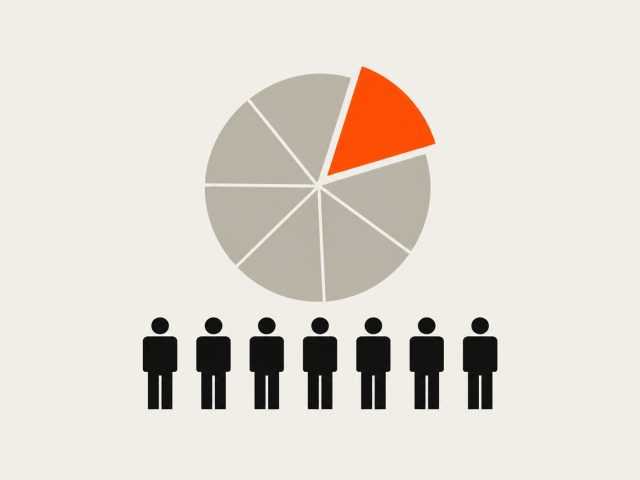
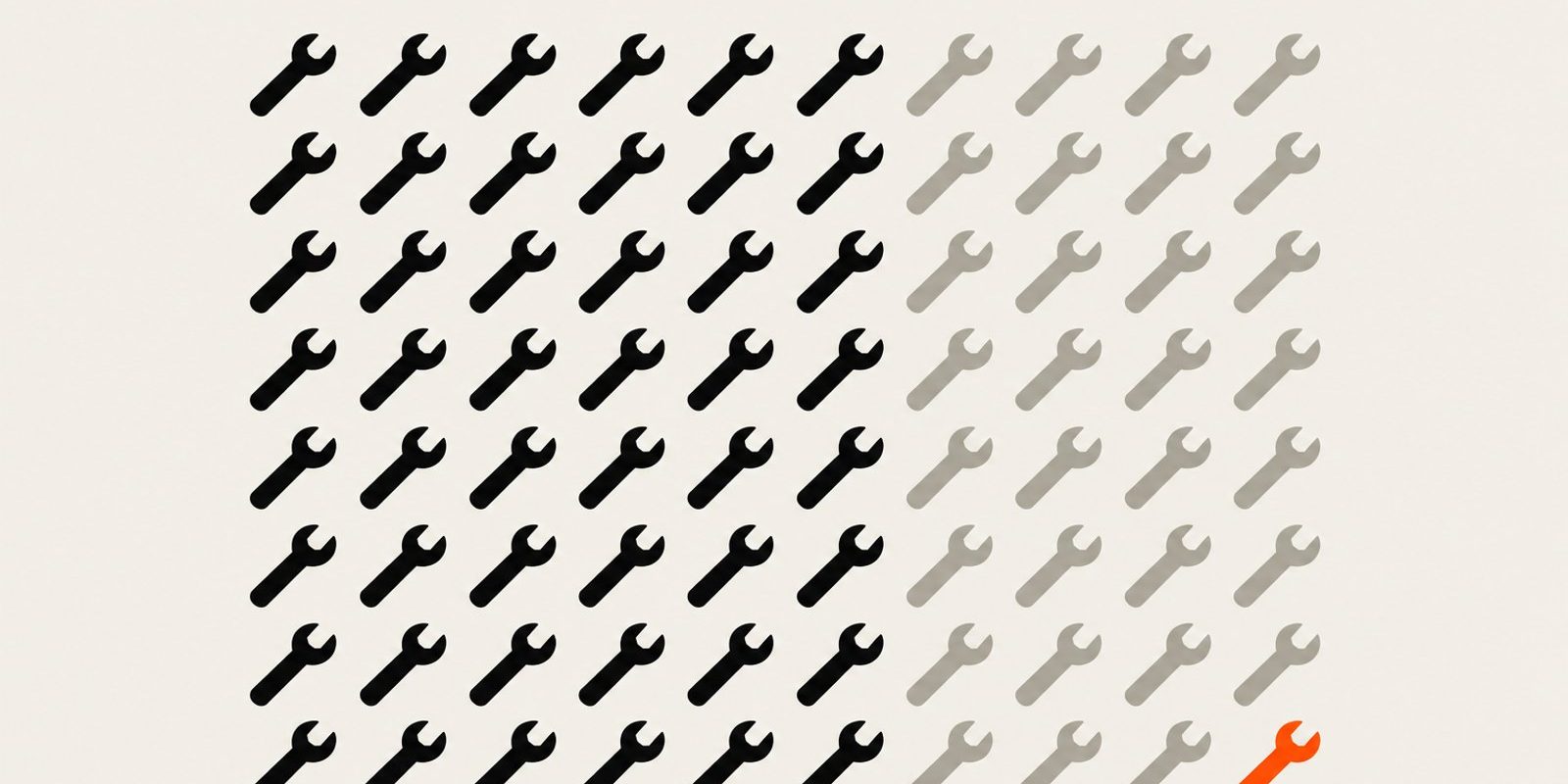
In the survey fielded in October 2025, 63% of adults said they could cover it that way. The other 37% could not, or would have to do something else (Federal Reserve, 2026).
Twelve years of the same number
Here is how the share has moved since the first survey.
| Survey year | Adults who could cover $400 with cash or equivalent |
|---|---|
| 2013 | 50% |
| 2016 | 56% |
| 2019 | 63% |
| 2021 | 68% |
| 2022 | 63% |
| 2025 | 63% |
The climb from 50% to 68% happened over eight years, and the 2021 peak is the highest the survey has recorded. Then it dropped to 63% in 2022 and has not moved since. The Fed’s 2022 summary described that drop as consistent with declines in overall financial well-being (Federal Reserve, 2023). Four years of an unchanged number mean the post-2021 gains have not come back.
What the other 37% would do
The Fed also asked how people outside the 63% would handle it. They could pick more than one answer, so these figures do not add up to 37%. Shares are of all adults (Federal Reserve, 2026).
| Way to pay (2025) | Share of all adults |
|---|---|
| Credit card, paid off over time | 15% |
| Borrow from a friend or family member | 10% |
| Sell something | 7% |
| Bank loan or line of credit | 3% |
| Payday loan, deposit advance or overdraft | 2% |
| Unable to pay right now | 12% |
The most common approach among those who could not use cash was a credit card with a balance carried over. About one adult in eight would not be able to pay at all.
Sixty-three percent of adults said they would cover a hypothetical $400 expense with cash, savings, or a credit card paid off at the next statement.
Federal Reserve, Economic Well-Being of U.S. Households in 2025 (2026)
Why one number is not the whole story
Now the complication. The $400 test is a hypothetical, and a small one. It says little about a $4,000 surprise, and it counts someone as “covered” even if they would put it on a card and clear the card next month.
The Fed also asks about a rainy-day fund, meaning enough money to cover three months of expenses if income stopped. In 2025, 55% had one, down from 59% in 2021 (Federal Reserve, 2026). The gap between groups is wide. Only 21% of adults with income under $25,000 had such a fund, against 75% of those making $100,000 or more. Among adults aged 18 to 29, the share was 37%; among those 60 and older, 71%.
So a national figure of 63% is an average of very different lives. A household with a cushion and a household with none can answer the same survey, and both end up in one number.
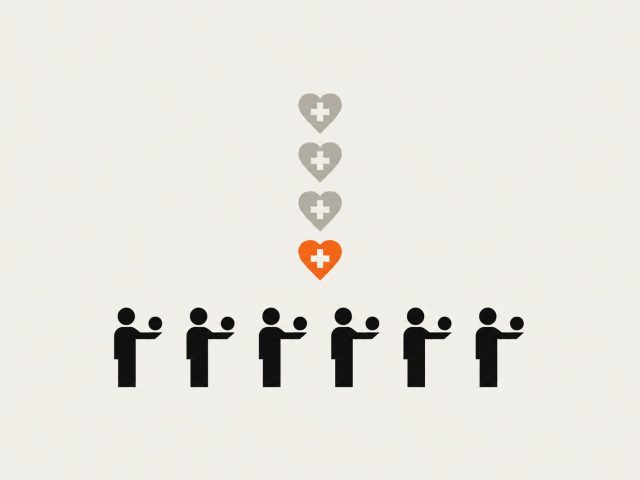
Picture a room of ten adults in 2025. About six could cover the bill with cash, savings or a card they would clear at the next statement. About one could not pay at all. The remaining three or so would borrow, sell something or let a card balance ride. That is our own rounding of the Fed’s shares, not a count of real people.
What to take from it
The headline does not say Americans are bad with money. It says that a bill the size of a car repair is, for nearly four in ten adults, more than their cash and savings can absorb without something else giving.
Four hundred dollars is a small number. It is also a decent ruler.
For illustration only. Not financial advice.
Sources
- Board of Governors of the Federal Reserve System, “Economic Well-Being of U.S. Households in 2025: Savings and Investments”, May 2026. link
- Board of Governors of the Federal Reserve System, “Economic Well-Being of U.S. Households in 2025: Executive Summary”, May 2026. link
- Board of Governors of the Federal Reserve System, SHED data table, “Share of adults who would cover a $400 expense completely using cash or equivalent”, 2013 to 2025. link
- Board of Governors of the Federal Reserve System, “Economic Well-Being of U.S. Households in 2022: Executive Summary”, May 2023. link